Silver
Award
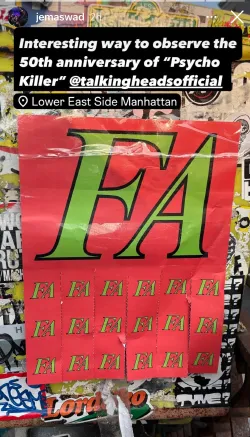
FA FA FA - Talking Heads 50th Anniversary
Warner Music
United States
2026
Share:



To see entry media,
create an account
or
log in.
Logging in grants access to Advanced Search
and more Entry Details.

Entrant Company
DE-YAN
Launch Country
United States
Program
Clio Music 2026
Medium Type
Music Marketing
Medium
Experience/Activation
Category
Guerrilla
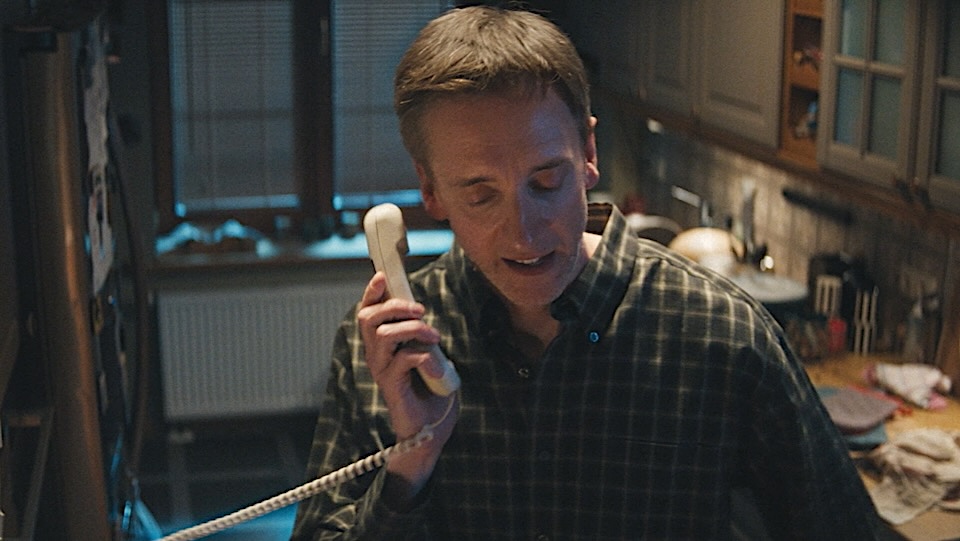
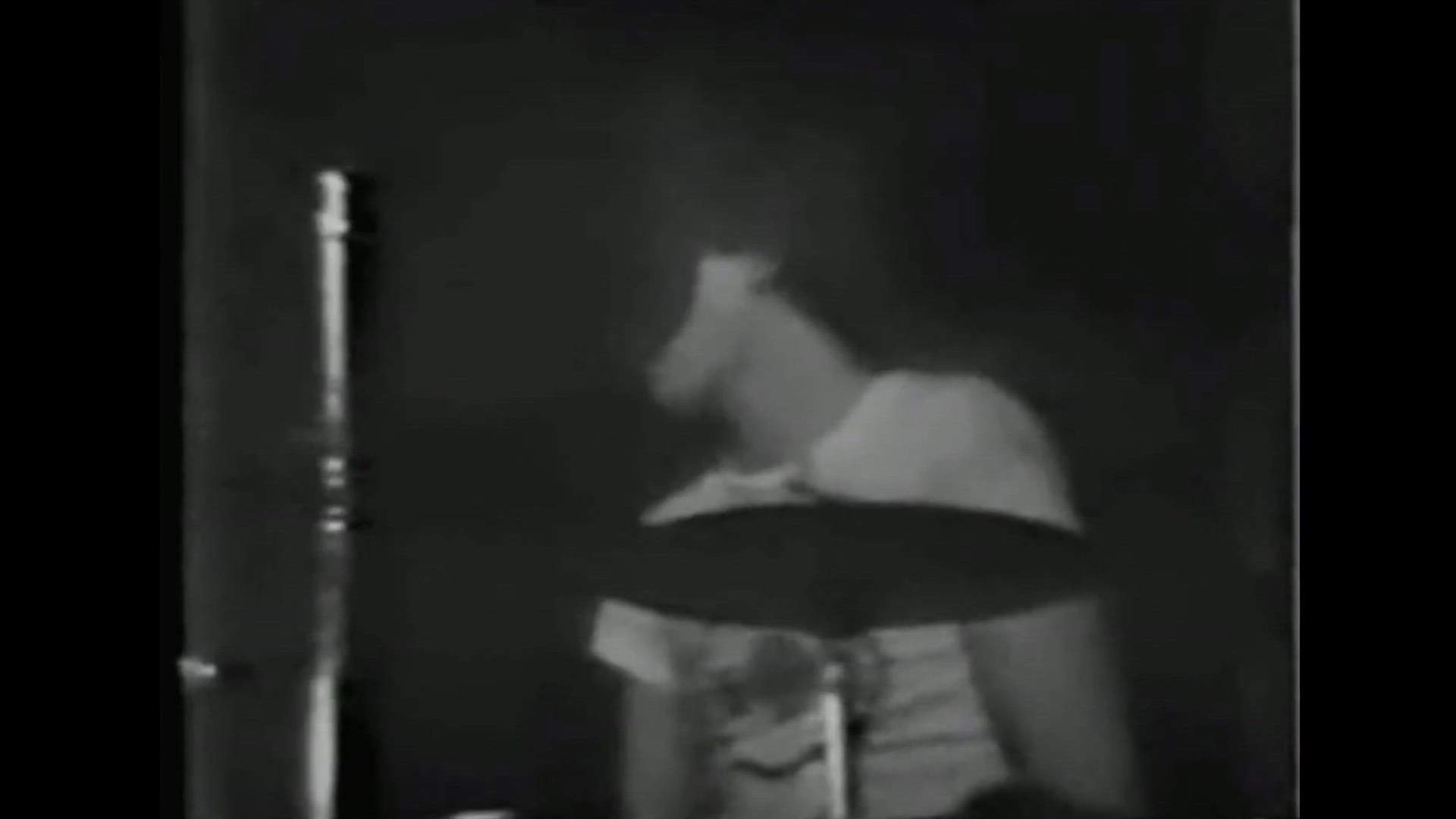
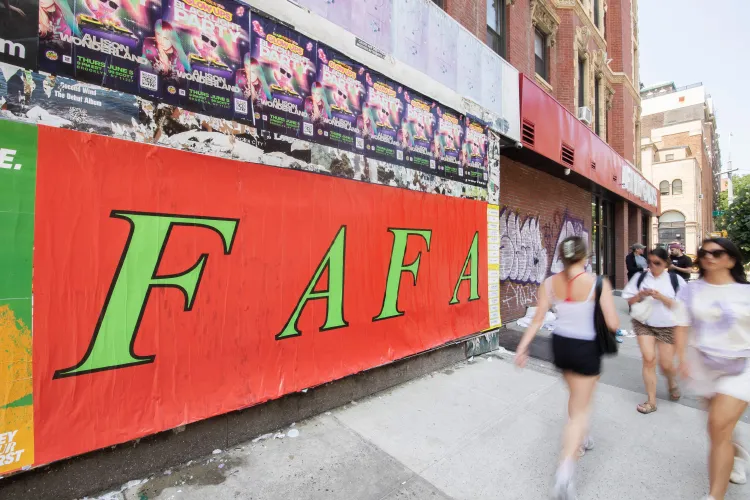
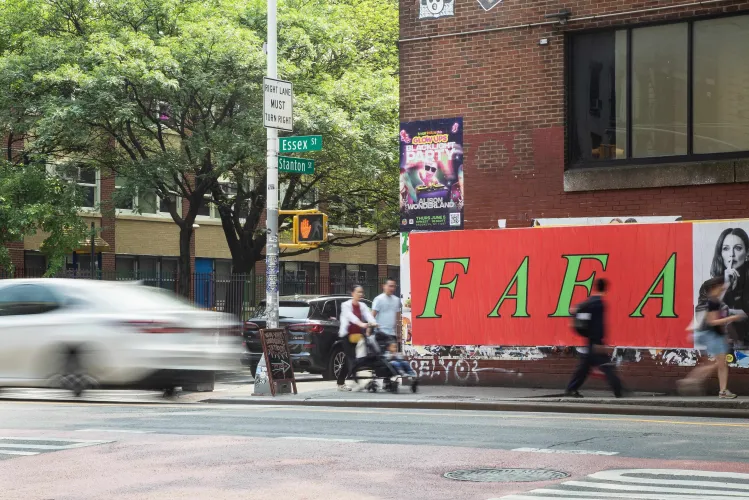
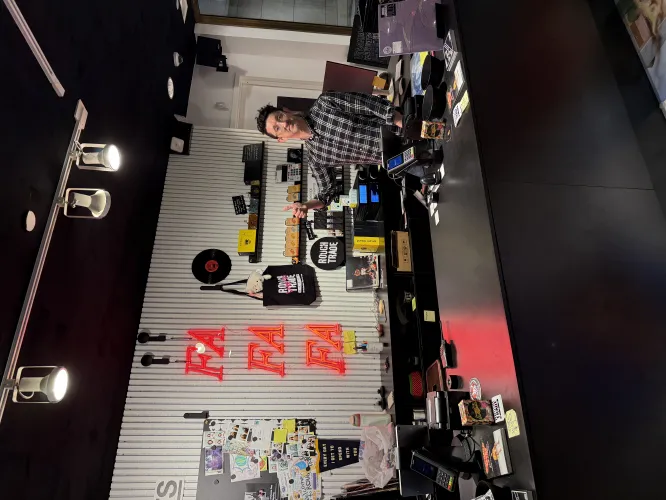
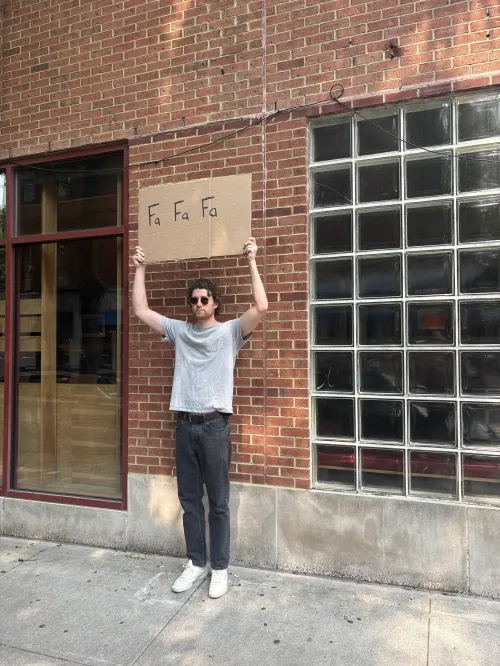
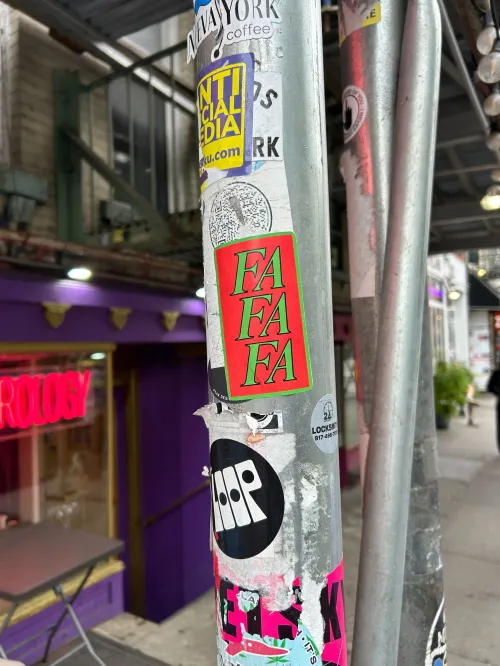
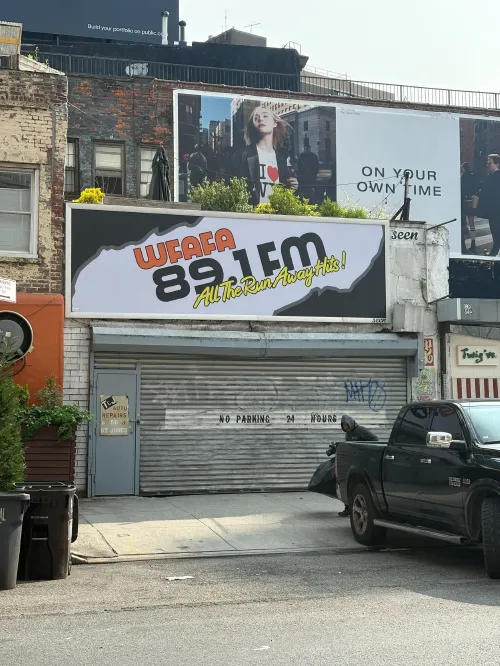
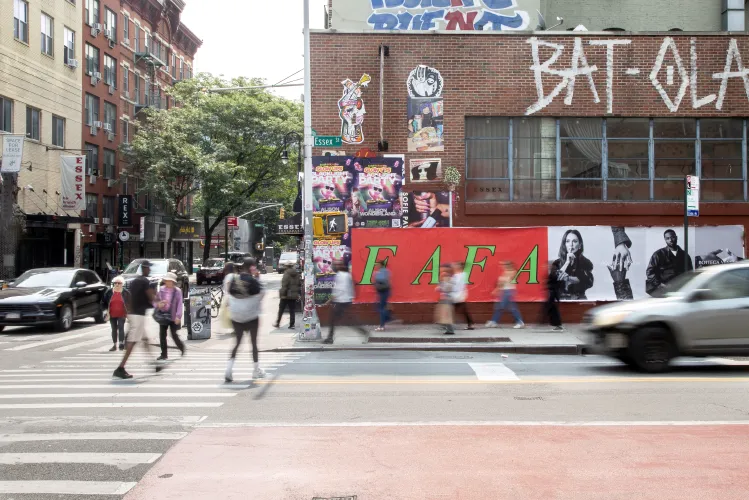
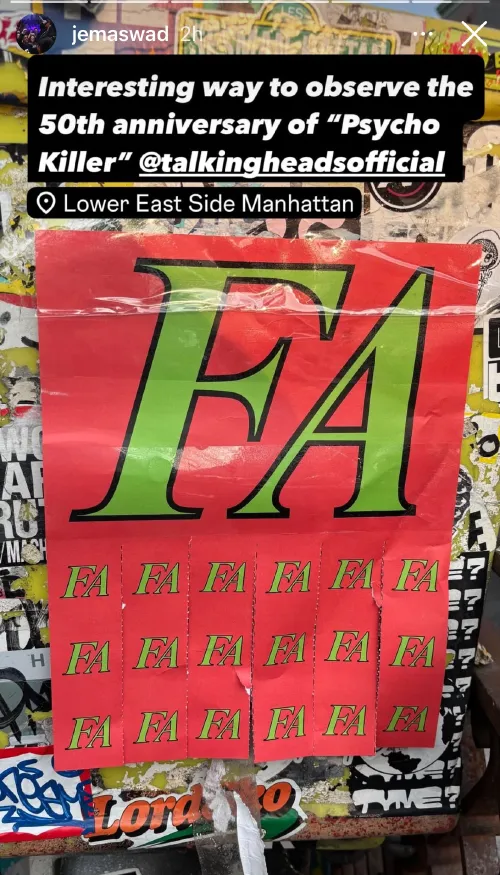
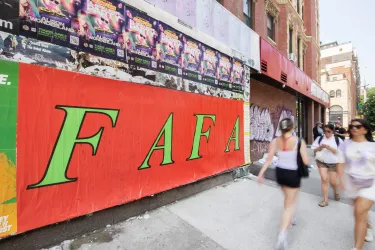
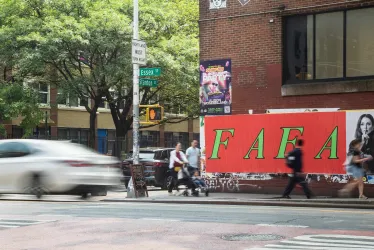
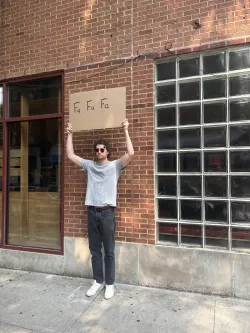
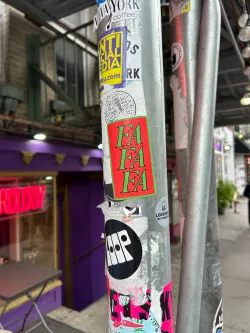
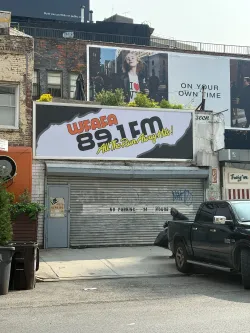
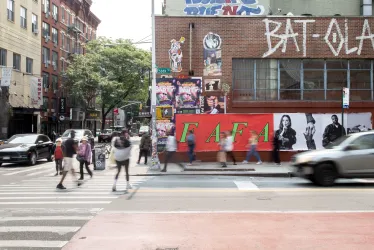
The Talking Heads' 50th anniversary "Psycho Killer" takeover of the Bowery was a masterclass in cultural resonance and strategic subversion. In an age of digital-first advertising and monumental budgets, this campaign stands out for its lo-fi, human-first approach that punched well above its weight. It emulated the original punk rock ethos of the band, transforming a small budget into a visceral, city-wide phenomenon that felt less like marketing and more like a return to the band's roots.
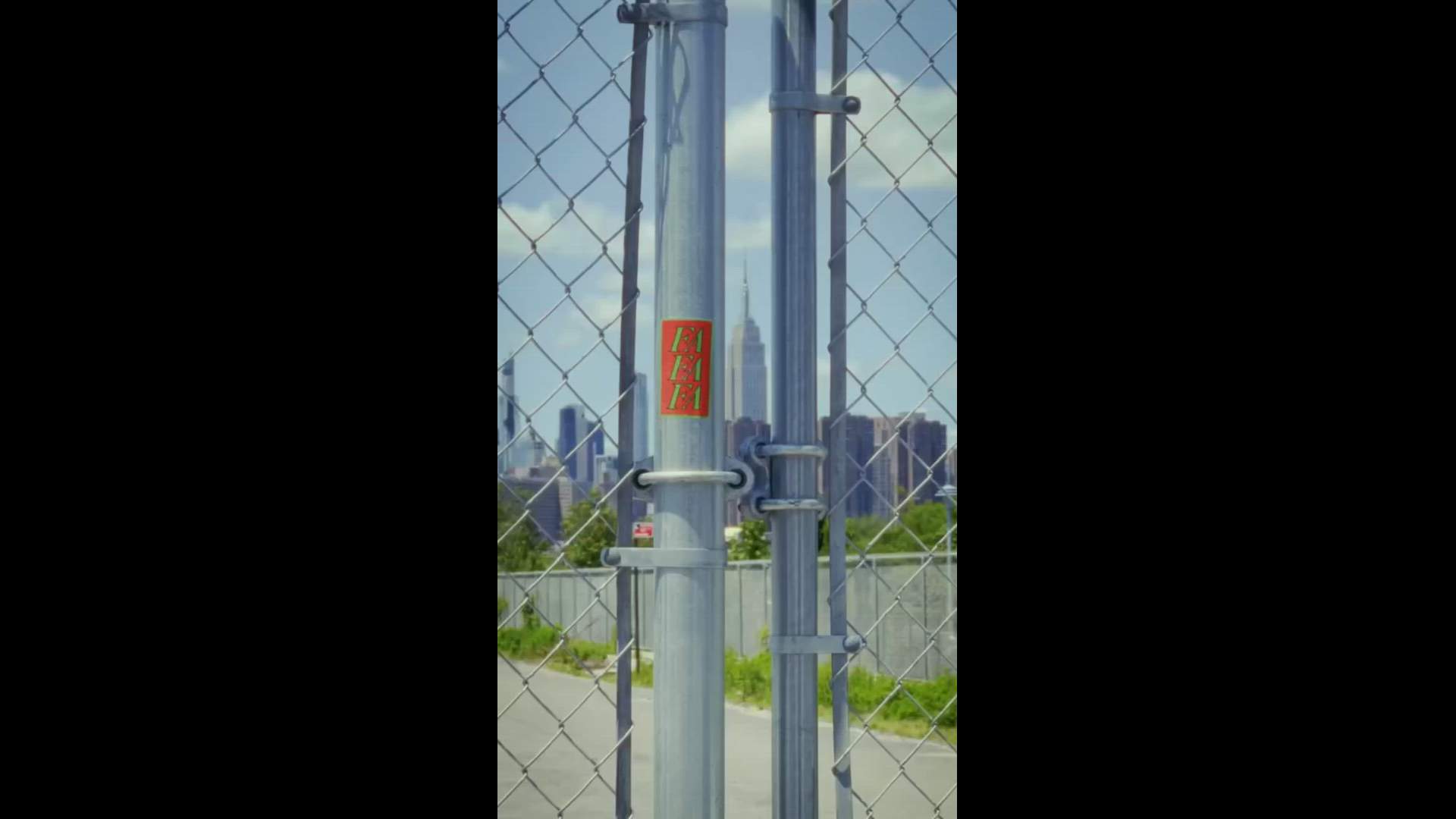
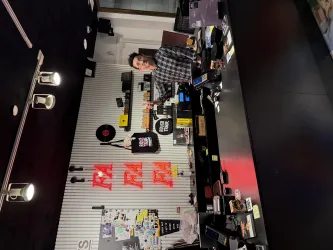
Instead of plastering billboards with glossy ads, the campaign took a page from the band's own history, using raw, almost underground tactics to create an authentic experience. The use of hand-painted signs, street art, and hyper-local placements around the historic Bowery neighborhood didn't just promote a song; it recreated a feeling. It let a new generation feel what it was like when a hook takes over your brain, your neighborhood, and the world—just as the original song did five decades ago.
This campaign was more art installation and cultural homage than marketing. It subverted the sterile, one-way communication of traditional advertising in favor of something tactile and human. The campaign's strength was its deliberate choice to go small to go big. With a budget of just $23,000, it proved that the most powerful campaign isn't about the size of the canvas or budget, but the authenticity of the message and the cleverness of the execution. The campaign's success wasn't measured in impressions alone, but in the organic spread and conversation it ignited, well beyond its physical origins.
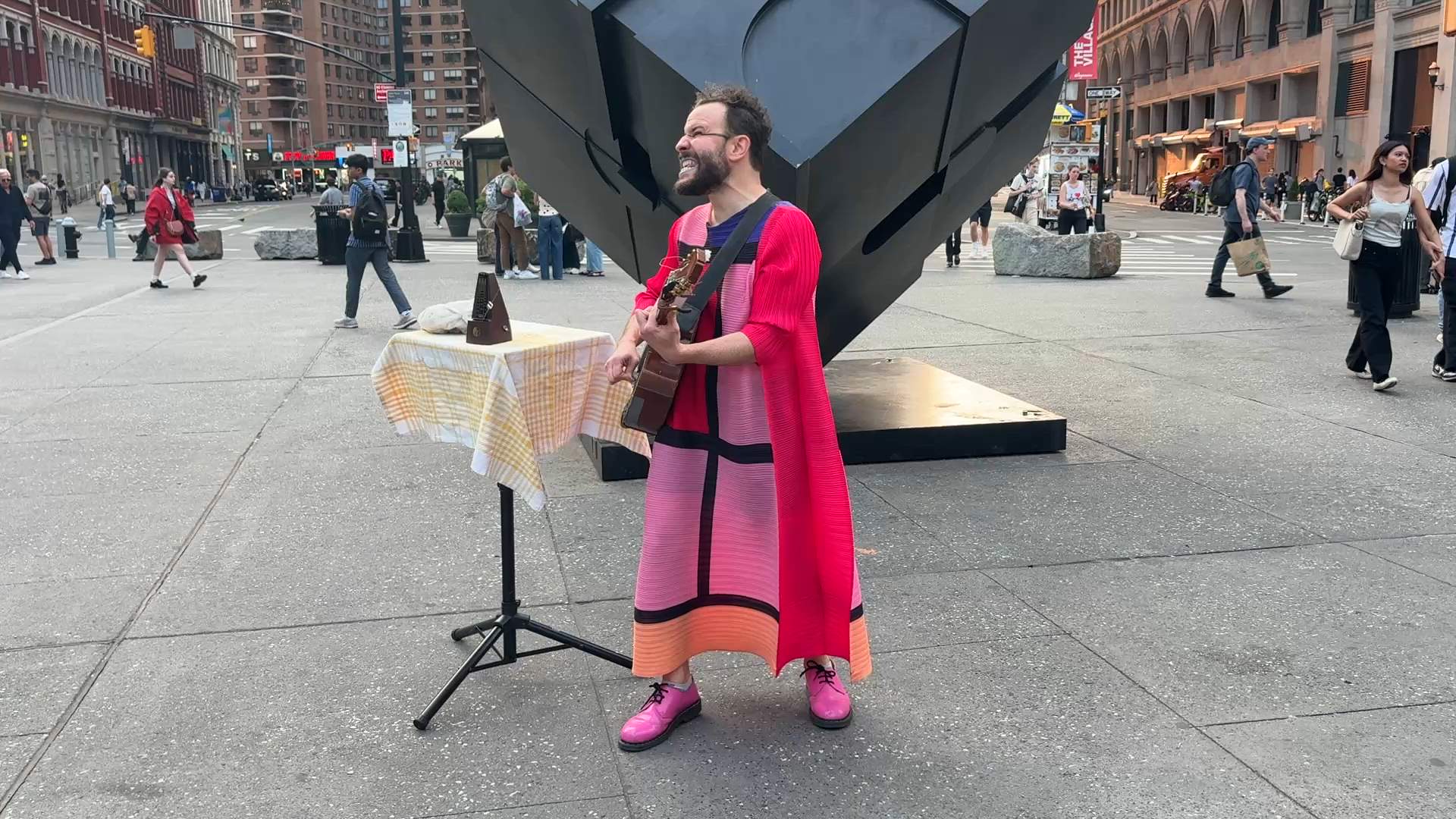
The Bowery takeover didn't just get people to look at a poster or an ad; it invited them to participate in a moment of cultural history. It was a visceral, human experience that honored the legacy of a legendary band by embracing the very spirit of rebellion and creativity that made them iconic in the first place.
In a landscape dominated by digital noise, this campaign stands as a powerful testament to the enduring power of a well-crafted, human-centric experience.
Credits
To see entry credits,
create an account
or
log in.
Logging in grants access to Advanced Search and more Entry Details.
Duplicate statues available now
Buy a Statue in
Experience/Activation
to Celebrate Your Team

Related Winners

Entrant Company
72andSunny
Medium Type
Branded Content & Collaborations
Medium
Branded Entertainment & Content
Launch Country
United States
Entrant Company
Amazon Music
Medium Type
Branded Content & Collaborations
Medium
Branded Entertainment & Content
Launch Country
United States
Entrant Company
Alta Music Group
Medium Type
Music Marketing
Medium
Music Film & Video
Category
61 Seconds to Five Minutes
Launch Country
United States
Art of the Album
by Sofia Kerpan
by Sofia Kerpan
Behind the Scenes
by Christine Champagne
by Christine Champagne

Ad of the Week
by Christine Champagne
by Christine Champagne