Bronze
Award
KitKat Phone Break
Nestlé
Czechia
2026
Share:


To see entry media,
create an account
or
log in.
Logging in grants access to Advanced Search
and more Entry Details.



Entrant Company
VML Czechia
Entry Type
Product/Service
Launch Country
Czechia
Program
Clio Awards 2026
Medium Type
Professional
Medium
Culture & Influence
Category
Cultural Resonance
For over 65 years, "Have a Break, Have a KitKat" has been part of pop culture. But for Gen Z, the very idea of a break has changed. Their downtime is dominated by screens - constantly interrupted by notifications, scrolling, and the pull of devices that promised escape but deliver distraction instead.
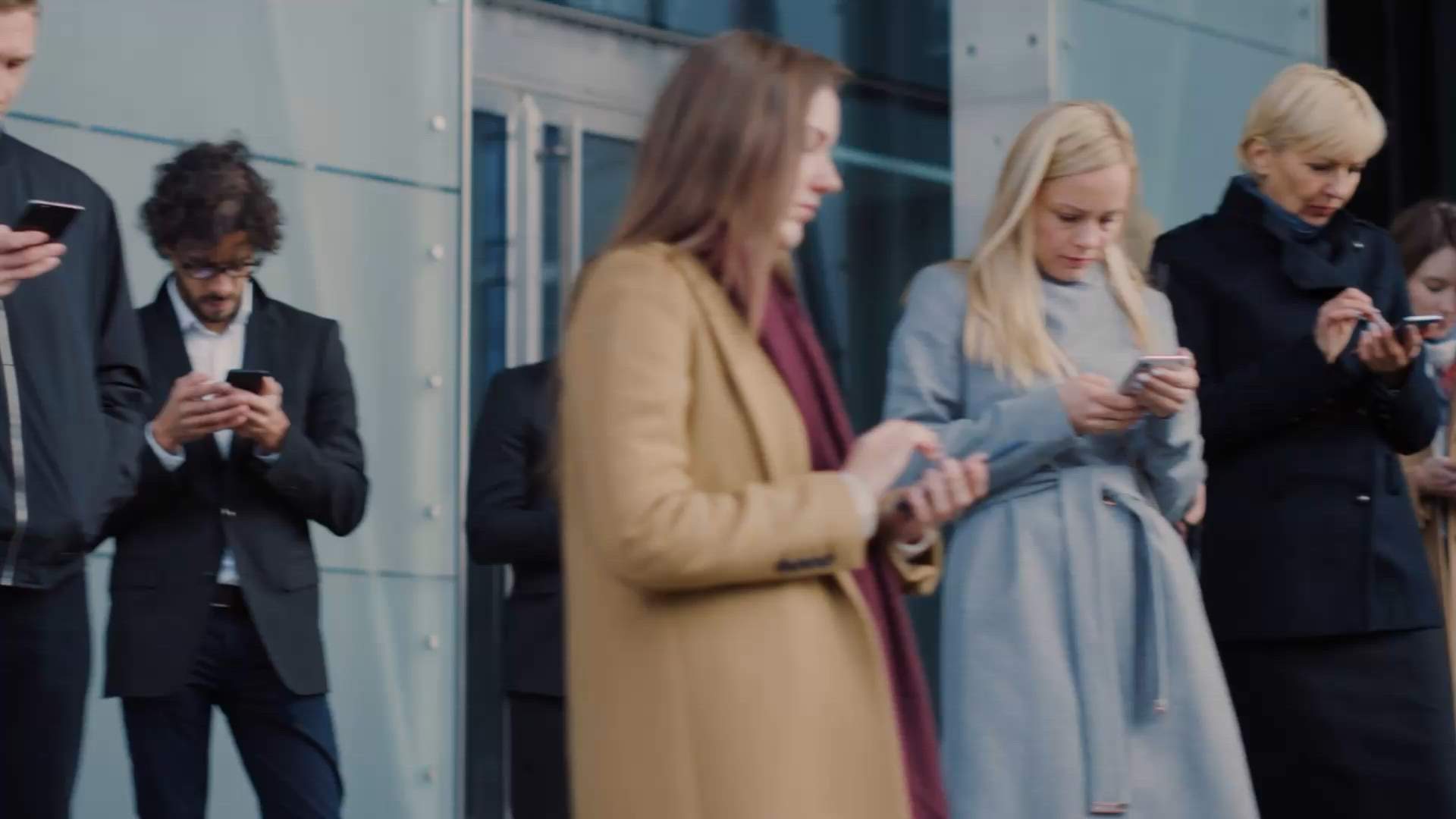
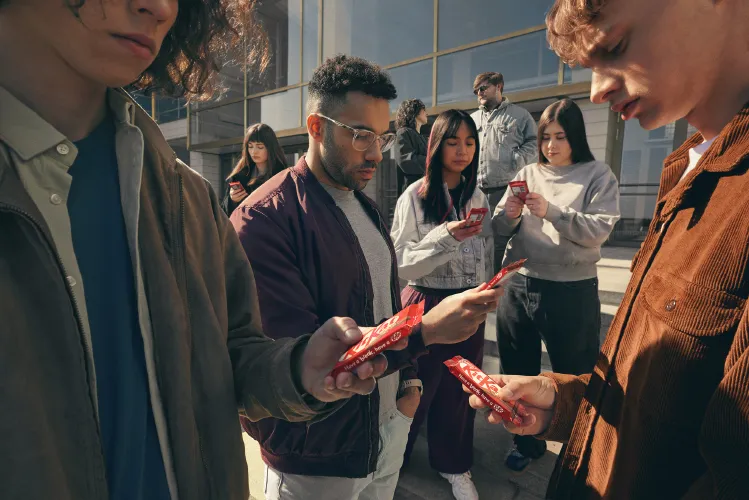
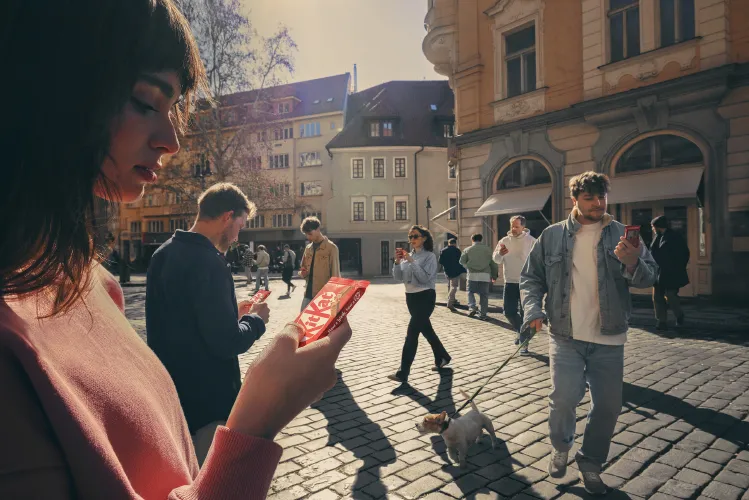
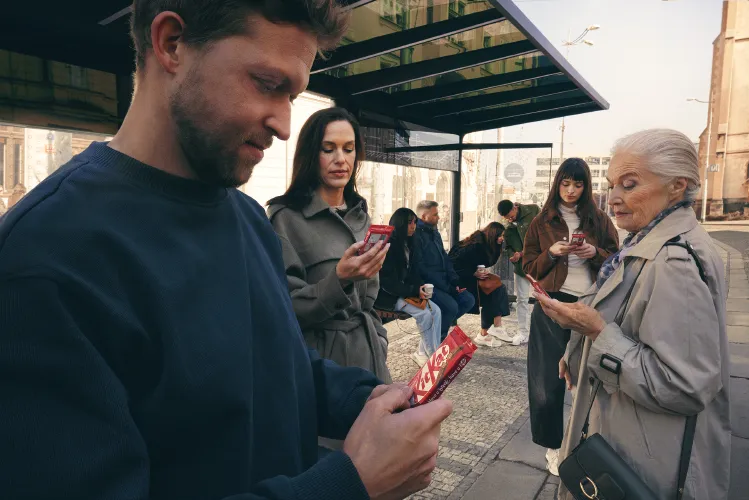
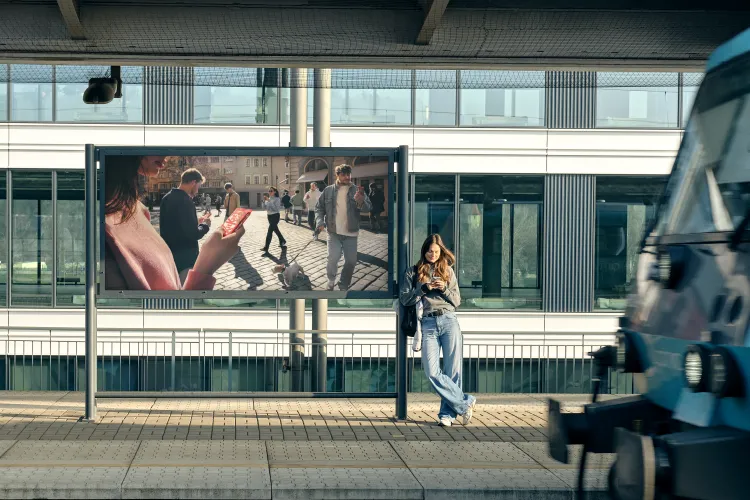
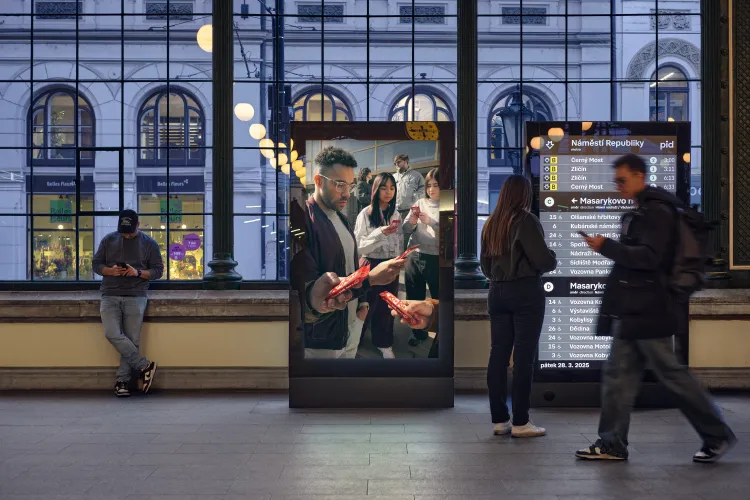
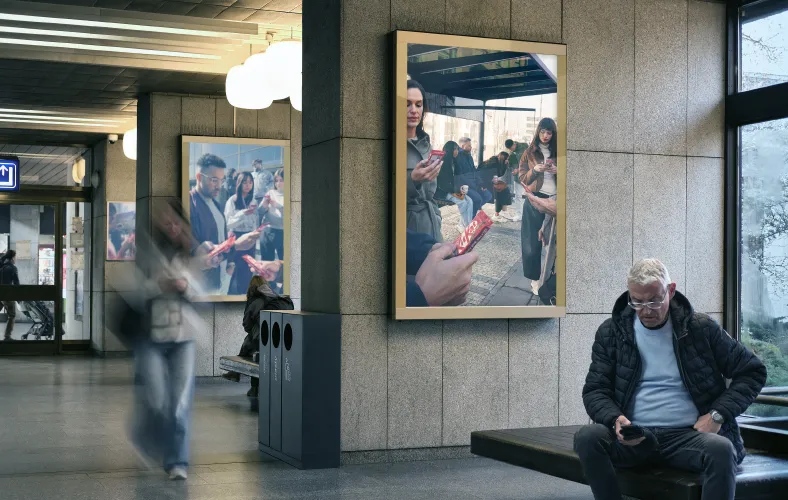
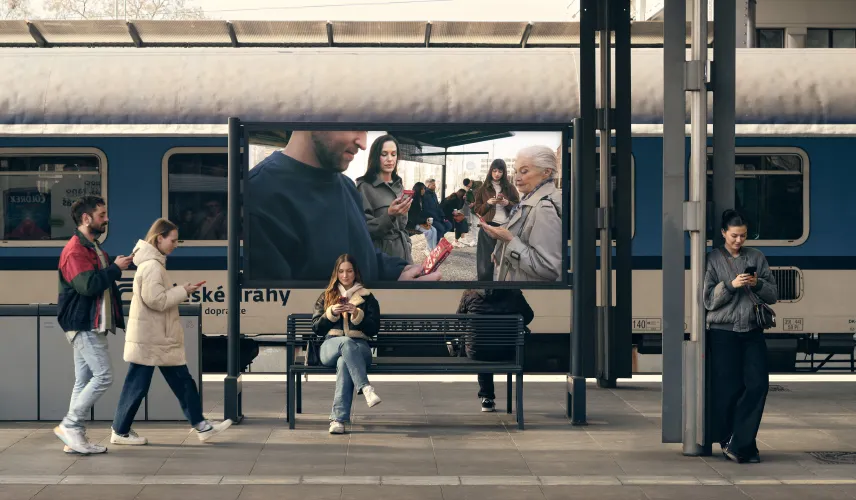
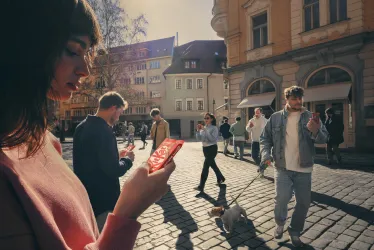
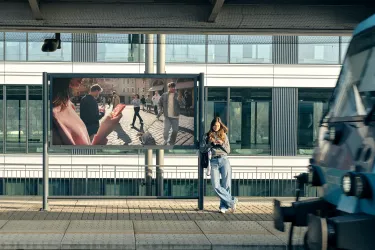
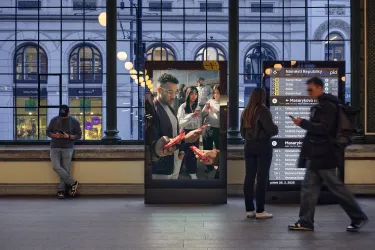
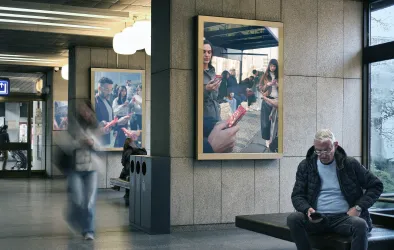
This cultural tension isn't new, but it's rarely addressed with honesty and humour. KitKat's Phone Break campaign joined the conversation by reflecting the behaviour back. We recreated everyday public moments - commuters waiting, pedestrians walking, friends sitting together - and made one simple swap: replaced their phones with KitKats. Same grip. Same posture. No logo. No headline. Just the image.
The executions were placed where the behaviour happens most: tram stops, plazas, walkways. The result was quietly powerful. People scrolling on their phones unknowingly mirrored the same pose as the posters beside them. The recognition wasn't accusatory, it was knowing. A gentle wink at a universal habit.
The cultural response was immediate. The campaign earned global industry coverage (Muse by Clio, Adweek, Campaign Brief, LBB) reaching 2.63 million online. Shared organically by creative leaders and marketing voices, it was praised as "a masterclass in marketing," "beautifully done, very insightful," and "the best example of the power of a 65-year-old tagline in action."
But the real resonance was deeper. It sparked social discussion about screen habits, digital wellbeing, and what breaks actually mean in a hyperconnected world. It reconnected KitKat's timeless message to a generation wrestling with rest. And it proved that brands can join important cultural conversations - not by preaching, but by simply holding up a mirror and letting people see themselves.
Credits
To see entry credits,
create an account
or
log in.
Logging in grants access to Advanced Search and more Entry Details.
Duplicate statues available now
Buy a Statue in
Culture & Influence
to Celebrate Your Team
Related Winners

Entrant Company
Grey Argentina
Medium Type
Professional
Medium
Public Relations
Category
Specific Target Audience
Launch Country
Argentina
Entrant Company
Publicis Conseil
Medium Type
Professional
Medium
Public Relations
Category
Cause Related
Launch Country
France
Entrant Company
DAVID THE AGENCY
Medium Type
Professional
Medium
Out of Home
Category
Billboard
Launch Country
Mexico
Fashion and Beauty
by David Gianatasio
by David Gianatasio
Fashion and Beauty
by David Gianatasio
by David Gianatasio
Fashion and Beauty
by Shahnaz Mahmud
by Shahnaz Mahmud
Culture and Creators
by T.L. Stanley
by T.L. Stanley